By Russ Williams | Williams Mortgage LLC
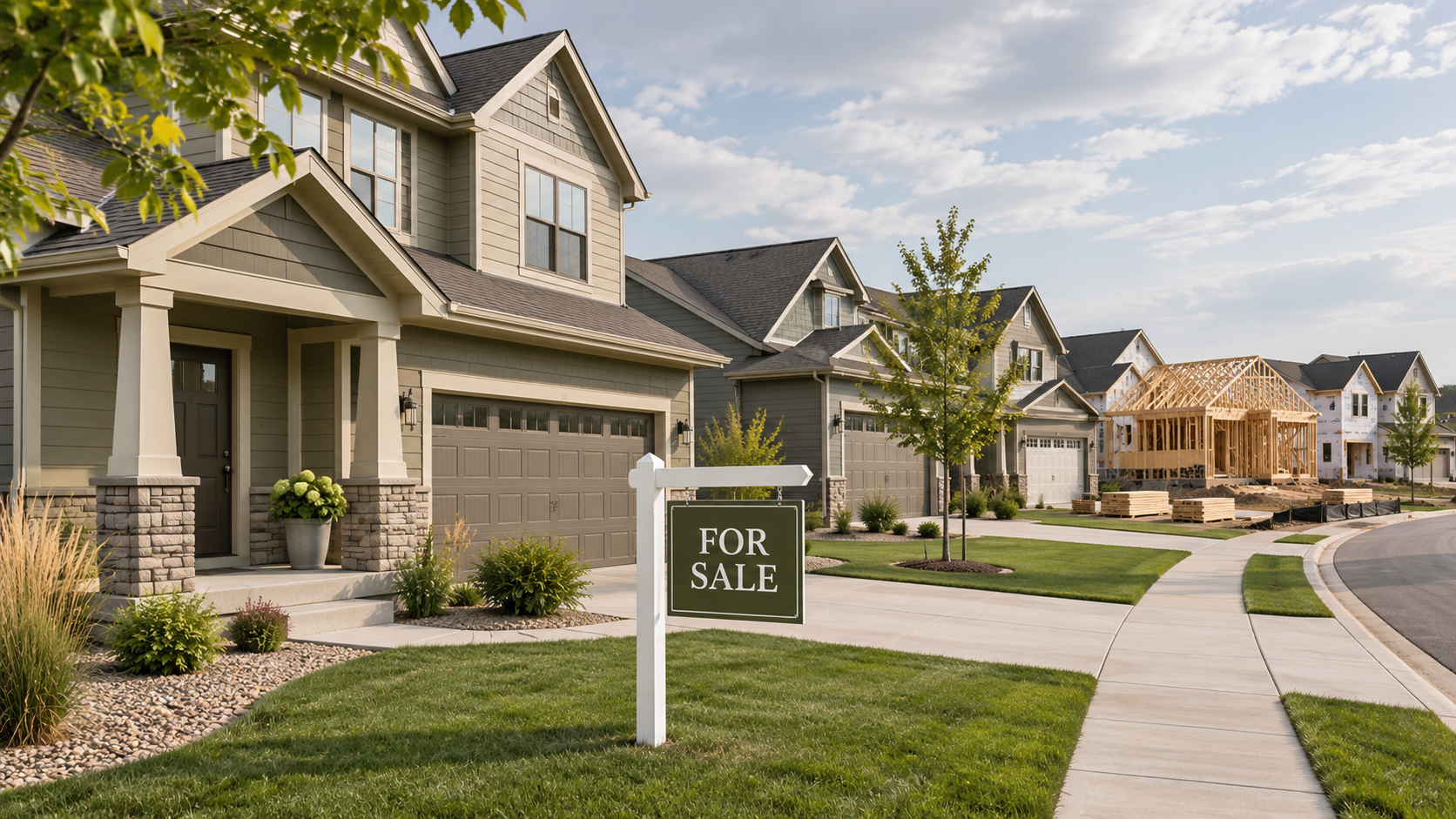
Imagine purchasing a brand new home today, only to discover three years later that your builder is selling similar homes in your neighborhood for less than you originally paid.
Now imagine that the builder is also offering mortgage financing at an interest rate substantially below what buyers can obtain when purchasing your home.
How do you compete?
This isn't simply a hypothetical concern. Recent real estate listings in the Omaha metropolitan area illustrate why buyers should carefully consider their future resale competition before purchasing new construction.
Large national builders, including D.R. Horton and Lennar, use financing incentives to attract buyers.
These incentives can provide substantial savings. However, when combined with reductions in new home prices, they can create two competitive disadvantages for existing homeowners.
The first is the purchase price. The second is the monthly mortgage payment.
D.R. Horton's fiscal 2026 annual report acknowledges that declining average sale prices and increased incentives, including mortgage rate buydowns, contributed to a reduction in its home sales gross profit margin.
Builders have legitimate business reasons to offer these incentives. They have inventory to sell, additional homes to construct and capital invested in their developments.
But those business decisions can have financial consequences for their previous customers.
As of November 19, 2026, Freddie Mac reported a national average 30 year fixed mortgage rate of 7.28%.
Meanwhile, a D.R. Horton Nebraska financing promotion advertised a conventional fixed interest rate of 5.99%, with a 6.423% APR, on selected homes.
Consider the difference on a $400,000 purchase with a 5% down payment.
That's a difference of approximately $324 per month, or $3,890 per year.
At the higher interest rate, an existing home would need to be priced around $350,130 to produce the same principal and interest payment.
That's nearly $50,000 less.
It doesn't mean the existing home is worth $50,000 less. It demonstrates the purchasing power advantage that subsidized financing can create.
Consider two townhomes in Sunset Meadows, each reported to have approximately 1,511 finished square feet.
One was purchased in October 2024. The other is new construction offered by D.R. Horton.
The builder is advertising a similarly sized new townhome for $10,000 less than the existing homeowner originally paid approximately two years earlier.
But the financial disadvantage doesn't stop there.
Under the financing assumptions above, the builder's home offers a monthly principal and interest payment approximately $292 lower than the existing home's.
To produce the same mortgage payment, the existing townhome would need to be priced around $245,082.
That's nearly $45,000 less than its original purchase price, before selling expenses.
The seller may have a perfectly desirable home. Yet the builder has two powerful tools to attract the next buyer: a lower price and potentially less expensive financing.
A second example illustrates the challenge of competing against new construction even after making significant improvements.
An existing home purchased in December 2023 for $431,790 was listed in October 2026 for $499,900. Its asking price was subsequently reduced to $464,900.
The home offers approximately 2,053 square feet above grade, additional finished basement space and improvements including a privacy fence.
Meanwhile, D.R. Horton advertised a new home with approximately 2,053 square feet for $384,990.
The builder's advertised price is $46,800 below what the existing homeowner originally paid.
Under these financing assumptions, the monthly payment difference is approximately $831.
The payment equivalent resale price would be around $336,991.
These homes aren't identical. The existing home's additional finished space and improvements have value, and buyers may be willing to pay more for them.
Nevertheless, the comparison illustrates the challenge of selling a nearly new home when the original builder remains active in the subdivision.
Selling a home for less than you paid is only part of the potential problem.
Consider the following hypothetical outcomes using the actual original purchase prices from these two neighborhoods and estimated selling expenses of 6%.
These figures are before mortgage payoff and exclude original purchase expenses and improvements.
Even if a homeowner can compete with the builder's price, selling expenses could compound the financial impact.
Depending on the remaining mortgage balance, a homeowner might have substantially less money available for their next purchase or potentially need to bring money to closing.
The builder has a business strategy. The homeowner has a household budget.
I'm not suggesting that buyers avoid new construction or reject attractive builder financing.
A permanently reduced mortgage rate can provide meaningful savings, particularly when the home is competitively priced and the buyer intends to remain there for many years.
The risk deserves greater consideration when a buyer makes a small down payment, anticipates moving again within several years or purchases in a subdivision with substantial construction remaining.
Ask your real estate agent to research neighborhoods where your prospective builder is still constructing homes.
Compare nearly new resale listings with the builder's remaining inventory. Examine original purchase prices, price reductions, closed sales, property improvements and financing incentives.
Then ask yourself:
An independent mortgage professional can help you evaluate these alternatives.
Today's homebuyers should spend some time examining the experiences of yesterday's new construction buyers.
Don't confuse today's affordability with tomorrow's marketability.
You aren't simply purchasing a monthly payment. You're purchasing an asset that you may eventually need to sell.
Make sure the deal you're getting today doesn't become the competition you can't beat tomorrow.
Williams Mortgage LLC
Making the Complicated Simple.
402-290-8936
Russ@WilliamsMortgageLLC.com
NMLS #2095626 | Equal Housing Opportunity
Published November 24, 2026. This article is provided for consumer education and financial literacy. It examines publicly reported real estate information and historical mortgage financing conditions to illustrate potential resale challenges. The financing scenarios are analytical examples, not current mortgage quotes, advertisements of available financing or offers to extend credit. Individual financing eligibility, property values and future market conditions will vary.
Research and Sources
Research reviewed November 24, 2026. Property prices, listing statuses, financing incentives and inventory availability are subject to change. Individual property addresses have been omitted from the article to respect homeowner privacy.
